Black, Red and Yellow Maca: What Is the Difference?
Share
Maca (Lepidium meyenii) is a root vegetable that grows at 13,000 feet and higher in the Peruvian Andes. Andean communities have eaten it for centuries and traditionally used it for energy and vitality.* Today it is one of the most popular plant supplements in the US, and you will see it sold as black, red, yellow or "tri-color" maca. Here is what that means.
One plant, three colors
Black, red and yellow maca are not different species. They are color varieties of the same root, grown in the same region. The color comes from the skin of the root. Researchers have found that the varieties differ somewhat in their natural plant compounds, which is why they are often sold separately.
- Yellow maca is the most common, making up the majority of the harvest. It is the classic everyday maca.
- Red maca is rarer. It is traditionally popular with women and has been studied in small trials alongside other colors.
- Black maca is the rarest. It is traditionally popular with men and active people.
Much of the human research on maca is still small and early. If you do not want to choose, a tri-color blend gives you all three in one product.
Gelatinized vs. raw maca
Raw maca powder contains a lot of starch, which some people find hard to digest. Traditionally, Andean people cook maca before eating it. "Gelatinized" maca has been heated to remove most of the starch. Capsules made from organic maca root powder are a convenient middle ground: no taste, consistent dose, easy to travel with.
How much maca to take
- Most studies and supplements use between 1,500 mg and 3,000 mg of maca root per day.
- Take it at the same time each day, ideally in the morning or early afternoon.
- Give it time. Maca is used as part of a daily routine over several weeks, not as a one-off.
What to look for in a maca supplement
- Certified organic maca root, ideally grown in Peru.
- Which colors are included (black, red, yellow or all three).
- Amount per serving in milligrams.
- Identity testing (for example HPLC) to confirm it is real maca.
- Third-party lab testing and GMP manufacturing.
What we recommend
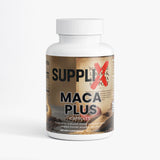
SUPPLI-X Maca Plus combines organic black, red and yellow maca root, over 1,500 mg per two-capsule serving, with black pepper. HPLC identity confirmed and made in the USA. 60 capsules, a 30-day supply.
Looking for a men's formula that combines maca with other traditional botanicals? See SUPPLI-X Epimedium Blend with Maca, Tongkat Ali and Ginseng.
Who should be careful
- Pregnant or breastfeeding women
- Anyone with a thyroid condition (maca is a cruciferous vegetable, like broccoli and cabbage)
- Anyone taking medication, who should ask their doctor first
FAQ
Is maca an adaptogen?
Maca is often grouped with adaptogens because it has traditionally been used for daily energy and resilience.*
Can I take maca with ashwagandha or shilajit?
Yes. Many people stack them. Add one new supplement at a time so you know how each one works for you.
What does maca taste like?
Earthy, slightly nutty and malty. Capsules avoid the taste completely.
Bottom line
Black, red and yellow maca are varieties of the same Andean root. If you are not sure which one fits you, a tri-color blend is the easiest way to get all three. Choose organic, tested maca and take it consistently.
Related reading
- What Is Shilajit? Dosage and What to Look For
- KSM-66 Ashwagandha vs. Standard Ashwagandha
- Top 5 Supplements for Men Over 40
*These statements have not been evaluated by the Food and Drug Administration. SUPPLI-X products are not intended to diagnose, treat, cure, or prevent any disease. This article is for general information only and is not medical advice. Talk to your healthcare provider before starting any supplement, especially if you are pregnant, nursing, or take medication.