Is Xylitol Safe? What the 2024 Heart Study Means, How Much Is in Gum, and Why Dogs Must Never Have It
Xylitol has been the classic sweetener in sugar-free gum for decades. In 2024, a widely reported study raised questions about it, and many people now ask: Is xylitol safe? This guide explains what xylitol is, what the study actually tested, how much xylitol everyday products contain, and the one rule that is not up for debate: keep it away from dogs.
What Is Xylitol?
Xylitol is a sugar alcohol, a type of sweetener that occurs naturally in small amounts in fruits and vegetables. Commercially it is made from birch wood or corn. It tastes about as sweet as sugar but has fewer calories, and the bacteria on your teeth cannot use it as food the way they use sugar. That is why it is used in sugar-free gum, mints, toothpaste and oral care chewables.
What the 2024 Study Found
In 2024, researchers from the Cleveland Clinic published a study in the European Heart Journal. Two findings made headlines:
- Observational part: in about 3,000 people, those with higher xylitol levels in their blood had more heart events over the following years. This shows an association, not proof that xylitol caused the events.
- Small test: healthy volunteers drank a beverage with 30 grams of xylitol. Their blood xylitol rose sharply for several hours, and lab tests showed effects on platelets, the cells involved in blood clotting.
The researchers called for more studies. What is important for everyday life is the amount: 30 grams is the kind of dose found in xylitol-sweetened drinks, baked goods or "sugar replacement" use by the spoonful, not in a piece of gum.
How Much Xylitol Is in Everyday Products?
- A piece of xylitol gum: roughly 1 gram or less, depending on the brand
- A xylitol mint: usually well under 1 gram
- Xylitol as table sweetener or in baking: easily many grams per serving
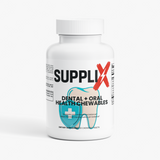
- Our oral care chewable: xylitol is part of a 325 mg blend with guava, so less than a third of a gram per tablet
If the study concerns you, the practical takeaway is to be mindful of large amounts, such as sweetening drinks and food with xylitol by the spoon. If you have a heart condition or take blood thinners, ask your doctor about xylitol in general.
Digestive Effects
Like other sugar alcohols, larger amounts of xylitol can cause gas, bloating or a laxative effect, especially if you are not used to it. Small amounts from gum or a chewable rarely cause problems, but everyone is different.
The Rule Every Dog Owner Must Know
Xylitol is highly toxic to dogs, even in small amounts. It can cause a dangerous drop in blood sugar and liver damage. Keep gum, mints, toothpaste, chewables and any xylitol product out of their reach, and if your dog eats any, contact a veterinarian or animal poison control right away. Cats and other pets should also be kept away from it.
Why Xylitol Is Used in Oral Care
Dentists have recommended sugar-free xylitol gum for decades, because unlike sugar, xylitol is not a food source for the bacteria that live on teeth. In oral care products, how often you use it (for example after meals) tends to matter more than a big amount at once.
Our Take
We use a small amount of xylitol as the sweetener in our oral care chewable because it is the standard in sugar-free oral care, and we print the amount on the label. We believe you should know what is in a product, and how much, so you can decide for yourself.
SUPPLI-X Dental + Oral Wellness Chewables combine a 325 mg xylitol and guava blend, a 3-strain oral probiotic blend (4 billion CFU) and 5 mg hydroxyapatite. No sugar, vegan, made in the USA. Read our guide to the best time to take oral probiotics.
FAQ
Is xylitol safe for people?
Xylitol is widely used in food and oral care. A 2024 study linked high blood xylitol levels to heart events and tested a large 30 g dose. Small amounts like those in gum or a chewable are very different from that. Ask your doctor if you have a heart condition.
How much xylitol is in a piece of gum?
Usually about 1 gram or less per piece, depending on the brand.
Why is xylitol dangerous for dogs?
Even small amounts can cause a dangerous drop in blood sugar and liver damage in dogs. Contact a veterinarian immediately if your dog eats any.
Can xylitol upset my stomach?
Larger amounts can cause gas, bloating or a laxative effect. Small amounts rarely do.
This article is general information, not medical advice. These statements have not been evaluated by the Food and Drug Administration. This product is not intended to diagnose, treat, cure, or prevent any disease.