Creatine for Women: What It Is, How to Take It and Common Myths
Creatine used to be seen as a supplement for bodybuilders. That has changed. Today "creatine for women" is one of the most searched supplement topics in the US, and women of every age add it to their daily routine. This guide explains what creatine is, why women take it, how to use it and what is true about the most common worries: bloating, bulking up and hair loss.
Looking for creatine made for women? Try SUPPLI-X Creatine Monohydrate for Women: pure, unflavored, one ingredient.
What Is Creatine?
Creatine is a natural compound your body makes from three amino acids: arginine, glycine and methionine. Most of it is stored in your muscles, where it helps recycle ATP, the molecule cells use for quick energy. Smaller amounts are found in the brain.
You also get creatine from food, mainly red meat and fish. People who eat little meat, or none at all, usually take in less creatine through their diet. That is one reason many women look at creatine as a supplement.
Why Women Take Creatine
Creatine monohydrate is one of the most researched sports supplements in the world. The best-documented effect is this: creatine increases physical performance in successive bursts of short-term, high-intensity exercise.* In everyday terms, that means repeated efforts like sets in the gym, sprints, HIIT classes or heavy carrying.
Women take creatine for many reasons:
- Strength training: more women lift weights than ever, and creatine fits naturally into that routine.
- Every stage of life: many women in their 40s, 50s and beyond focus on staying strong and active, and add creatine alongside training and enough protein.
- Plant-based diets: women who eat little or no meat get less creatine from food.
- Brain research: scientists are also studying creatine's role in brain energy. This research is still developing, so we do not make promises here.
How Much Creatine Should Women Take?
The most common daily amount is 3 to 5 g of creatine monohydrate. That is the same for women and men. Creatine works through saturation: your muscle stores fill up slowly with daily use, so consistency matters more than timing.
- Loading phase? Not necessary. Some people take more for the first five days to fill their stores faster. A steady daily dose reaches the same point, just a little later.
- When to take it: any time of day. Many people mix it into their morning drink or post-workout shake.
- Rest days: keep taking it. Daily use maintains your stores.
- Mix with: water, juice, a smoothie or a protein shake. Creatine monohydrate dissolves best in a slightly warm or well-stirred drink.
Myth 1: "Creatine Makes Women Bulky"
No. Creatine does not build muscle on its own. Muscle growth comes from training, enough protein and enough food, over months and years. Creatine supports your performance during training, but it does not turn a normal workout into bodybuilding. Women who lift with creatine typically look the way their training and diet make them look, not "bulky."
Myth 2: "Creatine Causes Bloating"
Creatine pulls water into the muscle cells. Some people see a small rise on the scale in the first weeks. That is water stored inside the muscle, not fat, and not the puffy, under-the-skin bloating most people worry about.
Stomach discomfort usually comes from taking a large amount at once, for example during a loading phase. If that happens, split the dose or skip loading and stay with 3 to 5 g a day.
Myth 3: "Creatine Causes Hair Loss"
This worry comes from one small study in 2009 with male rugby players, which measured a hormone change but did not measure hair loss. It has not been confirmed by later research. If hair loss runs in your family or you are concerned, talk to your doctor.
Is Creatine Safe for the Kidneys?
In healthy adults, creatine monohydrate at normal daily amounts is well studied. One thing to know: creatine can raise creatinine, a value doctors use in blood tests to check kidney function. That does not automatically mean a problem, but your doctor should know you take creatine before any lab work. Anyone with a kidney condition should only use creatine after talking to a doctor.
Who Should Not Take Creatine Without a Doctor?
- Women who are pregnant or nursing
- Anyone under 18
- Anyone with a kidney or other medical condition
- Anyone taking medication
How to Choose a Creatine
- Creatine monohydrate: the most studied form. Other forms are not proven to work better.
- Clear amount per serving: look for 3 to 5 g creatine per serving on the label.
- Short ingredient list: pure creatine has one ingredient. Flavored versions add flavor and sweetener, sometimes electrolytes.
- Quality: look for products made in a GMP-certified facility.
Our Creatine for Women
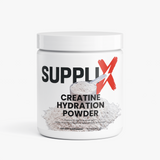
SUPPLI-X Creatine Monohydrate for Women is pure creatine monohydrate made for women who train: one ingredient, unflavored, vegan, no sugar and no fillers. It mixes into water, juice, coffee or your protein shake. Made in the USA.
Want flavor and hydration in one scoop? SUPPLI-X Creatine Monohydrate 5 g + Electrolytes combines 5,000 mg creatine monohydrate with magnesium malate, sodium from sea salt and potassium, naturally flavored with lemon and sweetened with stevia.
Learn more in our creatine research update and our guide to creatine with electrolytes.
FAQ
Is creatine good for women?
Creatine monohydrate is one of the most researched sports supplements and is used by women and men alike. It increases physical performance in successive bursts of short-term, high-intensity exercise.*
How much creatine should a woman take per day?
Most people take 3 to 5 g of creatine monohydrate daily. A loading phase is not necessary.
Will creatine make me gain weight?
Some people see a small increase on the scale in the first weeks. That is water stored inside the muscle, not fat.
Does creatine cause hair loss in women?
This idea comes from one small 2009 study in male athletes that did not measure hair loss and has not been confirmed. Talk to your doctor if you are concerned.
Can women over 40 take creatine?
Many women in their 40s, 50s and beyond use creatine together with strength training. If you are going through menopause, take medication or have a medical condition, talk to your doctor first.
*These statements have not been evaluated by the Food and Drug Administration. This product is not intended to diagnose, treat, cure, or prevent any disease. If you are pregnant, nursing, taking medication or have a medical condition, talk to your healthcare provider before using any supplement.