Creatine with Electrolytes: Why Mix Them and How to Use It
Share
Creatine monohydrate is one of the most researched supplements in sports nutrition. Electrolytes such as sodium, potassium and magnesium are the minerals that help your body manage fluid balance and normal muscle function.* Combining both in one daily scoop has become one of the most popular routines for people who train regularly. This guide explains why, and how to use it.
What creatine does
Creatine helps your muscles recycle ATP, the energy molecule your cells use for short, intense efforts like lifting, sprinting or HIIT. Creatine increases physical performance in successive bursts of short-term, high-intensity exercise.* Your body makes some creatine on its own and you get a little from meat and fish, but a daily 5 g serving tops up your muscle stores beyond what diet provides.
Want the full background? Read our Creatine Monohydrate 2026 Research Update.
What electrolytes do
- Sodium is the main electrolyte you lose in sweat and helps with normal fluid balance.*
- Potassium works alongside sodium to support fluid balance and muscle function.*
- Magnesium is involved in normal muscle function, nerve transmission and energy-yielding metabolism.*
If you train hard, sweat a lot, live in a hot climate or drink lots of plain water, electrolytes become more important.
Why take creatine and electrolytes together?
- Creatine pulls water into muscle cells. That is how it works. Staying well hydrated is part of using creatine well, and electrolytes support normal fluid balance.*
- One habit instead of two. The biggest mistake with creatine is forgetting it. One scoop that covers both makes daily use easier.
- Better taste. Plain creatine is chalky and bland. A lightly flavored electrolyte drink is something you actually want to drink every day, including rest days.
How much and when
- Creatine: 5 g per day is the standard research-backed amount. No loading phase is required.
- Timing: any time of day. Consistency matters far more than timing.
- Rest days: keep taking it. Creatine works by keeping your muscle stores full.
- Water: mix one serving with 6 to 8 oz (177 to 237 ml) of water and drink enough throughout the day.
What to look for in a creatine electrolyte powder
- A full 5 g of creatine monohydrate per serving. Some "hydration" products hide a tiny amount of creatine in a blend.
- Named electrolytes with amounts: sodium, potassium and magnesium listed on the label.
- Low or no sugar. Stevia or natural flavors instead of a sugary sports drink base.
- No proprietary blends.
- GMP manufacturing and a certificate of analysis (CoA) you can request.
What we recommend
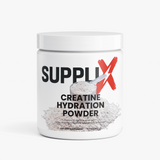
SUPPLI-X Creatine Monohydrate 5g + Electrolytes combines 5,000 mg creatine monohydrate with sodium from sea salt, potassium chloride and magnesium malate in one 10 g scoop. It is naturally flavored with lemon, sweetened with stevia, made in the USA.
Prefer pure, unflavored creatine you can add to your shake? Try SUPPLI-X Creatine Monohydrate (100% pure, 5 g per scoop).
FAQ
Can women take creatine with electrolytes?
Yes. The serving is the same for women and men.
Will creatine make me look bloated?
Creatine draws water into muscle cells, so a small weight increase in the first weeks is normal. That is water inside the muscle, not fat.
Can I take it with a pre-workout?
Yes, but check the label of your pre-workout. Some already contain creatine, so you may not need both on the same day.
I am on a low-sodium diet. Is this for me?
Talk to your doctor first, since electrolyte powders contain sodium.
Bottom line
Creatine is one of the best-studied supplements for strength and power. Adding electrolytes makes the daily habit easier, tastier and a better fit for anyone who sweats. Keep it simple: one scoop, every day.
Related reading
- Creatine Monohydrate: 2026 Research Update
- Magnesium Glycinate: Why This Form Works Best
- Whey Protein Isolate vs. Concentrate
*These statements have not been evaluated by the Food and Drug Administration. SUPPLI-X products are not intended to diagnose, treat, cure, or prevent any disease. This article is for general information only and is not medical advice. Talk to your healthcare provider before starting any supplement, especially if you are pregnant, nursing, or take medication.