Electrolytes Explained: When You Need a Hydration Powder and What to Look For
Electrolyte powders have moved from sports bottles into everyday life: at the gym, in hot weather, while traveling or after a long day. But what are electrolytes, when do you actually need them, and what should a good hydration powder contain? This guide explains it in plain English.
What Are Electrolytes?
Electrolytes are minerals that carry an electrical charge when dissolved in water. The four most important ones in hydration products are:
- Sodium is the main electrolyte lost in sweat and important for fluid balance.
- Potassium works together with sodium.
- Magnesium contributes to normal muscle function.
- Calcium contributes to normal muscle function and nerve signaling.
Electrolytes help your body maintain normal fluid balance and support normal muscle and nerve function.
Why Water Alone Is Sometimes Not Enough
When you sweat, you lose water and electrolytes, especially sodium. For a normal day at the office, plain water is usually all you need. But in some situations, adding electrolytes makes sense:
- Intense or long workouts, especially over an hour
- Hot weather, outdoor work or sauna
- Travel and long flights
- Heavy sweaters, who see white salt marks on their shirts
When to Drink Electrolytes
- Before exercise, to start well hydrated
- During long or hot sessions
- After exercise, to replace what you lost
A simple check: pale yellow urine is a sign of good hydration. Very dark urine is a sign to drink more.
Why B-Vitamins in a Hydration Powder?
Many hydration powders add B-vitamins such as B1, B2, B3, B6, folate and B12. B-vitamins contribute to normal energy-yielding metabolism. They do not hydrate you, but they make the drink a more complete daily mix.
Sugar or No Sugar?
Classic sports drinks contain a lot of sugar. That can make sense for endurance athletes during very long events, but for everyday hydration most people prefer a low-sugar or sugar-free option. Some powders use soluble fibers such as polydextrose instead.
Can You Overdo It?
Yes. More is not better. Stick to the recommended number of scoops per day on the label. People with high blood pressure, kidney problems, heart conditions or on a low-sodium diet should talk to their doctor before using electrolyte products regularly.
Electrolytes and Creatine
Some people like to combine their electrolytes with creatine in one daily drink. We wrote a separate guide on that: Creatine with Electrolytes: Why Mix Them and How to Use It.
Checklist Before You Buy
- Does it contain all four electrolytes: sodium, potassium, magnesium and calcium?
- How much sugar per serving?
- Does it use artificial colors, or natural fruit and vegetable color?
- How many scoops per day are allowed?
- Is it made in a GMP-compliant facility?
Our Hydration Powder
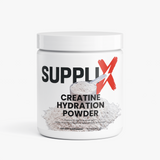
SUPPLI-X Hydration Powder combines four electrolytes (sodium, potassium, calcium and magnesium) with a B-vitamin complex (B1, B2, B3, B6, B9 and B12) and polydextrose fiber. No artificial colors, colored with a fruit and vegetable blend. Lychee flavor, 162 g, made in the USA. One scoop in 14 to 20 oz of water, maximum 5 scoops per day. Other flavors: Lemonade, Passion Fruit and Peach Mango.
FAQ
What are the four main electrolytes?
Sodium, potassium, magnesium and calcium.
When should I drink electrolytes?
Before, during or after long or intense workouts, in hot weather, while traveling, or if you sweat heavily.
Do I need electrolytes every day?
Not necessarily. For a normal day, water is usually enough. Electrolytes help when you lose a lot of sweat.
Can I drink too many electrolytes?
Yes. Stay within the scoops per day on the label, and ask your doctor if you have high blood pressure, kidney or heart problems.
These statements have not been evaluated by the Food and Drug Administration. This product is not intended to diagnose, treat, cure, or prevent any disease.